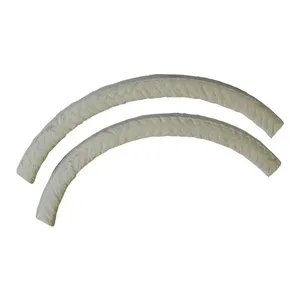
There's nothing quite like that sinking feeling when you hear that telltale knock coming from deep inside your engine every time you let off the clutch. What you're hearing is your crankshaft moving back and forth more than it should - a sure sign your thrust washers have worn out. This matched pair of rear crankshaft packers stops that damaging movement and brings back the smooth, quiet operation your Massey Ferguson engine was designed for. What You're Getting Matched pair of rear-position thrust washers - both pieces work together for balanced load distribution Precision thickness specifications that restore proper crankshaft end play to factory specs Quality bearing materials that handle thrust loads without breaking down under pressure Direct replacement that eliminates the knock and protects your expensive engine bearings Smooth surfaces that reduce friction while supporting the substantial forces during clutch operation Built for Real Farm Work Your classic Massey Ferguson with the 35X, 135, 148, or 165-203 series engines has probably been earning its keep for decades. Whether it's daily loader work on the 135, running hay equipment with the 165, or handling lighter duties with the 35X, these proven workhorses keep farms running worldwide. But all that clutch use over the years takes its toll on the thrust control system, and that's where these packers come in. Made to Last These aren't just any thrust washers - they're built to the exact specifications your engine needs. The bearing material provides excellent wear resistance under the constant thrust loads generated every time you work the clutch. Unlike worn packers that allow excessive crankshaft travel and destroy your main bearings, these replacements restore the tight tolerances your engine was built with. Good to Know Before you dig into this job, measure your existing end play with a dial indicator so you know what you're working with. Take a close look at the crankshaft thrust surfaces while you're in there - if they're scored up, new packers won't fix the problem. Always replace thrust washers as a complete set, and remember that excessive wear often comes from aggressive clutch use or misalignment issues you'll want to address to protect your new parts.
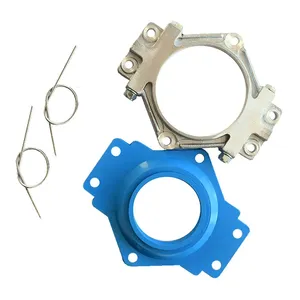
If you've been dealing with oil leaks from the back of your Massey's engine into the clutch housing, you know how frustrating it gets. Oil-soaked clutches don't grab right, and that puddle under the tractor never gets smaller. This improved rope seal carrier assembly finally solves the problem that's plagued these classic tractors for decades—traditional rope seals just don't cut it anymore. What You're Getting Modified seal technology that actually works better than the original rope design Complete ready-to-install assembly—no hunting for separate pieces Precision-manufactured for perfect fit on your A3.152, AD3.152, or AD4.203 Perkins engine Stops oil leaks that contaminate your clutch and make a mess under the tractor Built tough enough to handle the constant heat and pressure cycles these engines dish out Built for Real Farm Work Your MF 35 or 135 has probably been earning its keep for decades—whether it's your reliable chore tractor, runs the hay equipment, or handles cultivation and loader work around the farm. These Perkins-powered workhorses are tough as nails, but that rear crankshaft seal area has always been their weak point. This improved design addresses the sealing challenges that traditional rope seals just can't handle in today's farming conditions. Made to Last The modified seal technology in this assembly is engineered specifically to handle the demanding conditions these engines face. Unlike rope seals that compress and leak over time, this improved design maintains its sealing integrity through countless heat cycles and pressure changes. It's built to prevent oil from getting into your clutch housing where it doesn't belong. Installation Notes This is a major repair job that requires splitting the tractor, removing the clutch and flywheel to access the rear crankshaft area. Most farmers leave this one to their trusted mechanic—it's not a weekend project unless you've got experience with engine teardowns. While you're in there, it's smart to check the clutch components and flywheel condition too.

 United States