Ratchet Buckle
Part Number
: DC58200005
Part Type
: Ratchet Tie Down Strap Buckle
Weight
: 1.300000
Part number: DC58200005
Cross Reference: VMRS : 078027015; OTHER : 1803, 4425813, 44258-13, 58200005, 80RB2LS, 80-RB2LS, 811, CC7032HR2LD, RB204
Product Class: Ratchet Tie Down Strap Buckle
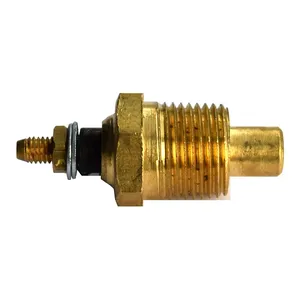
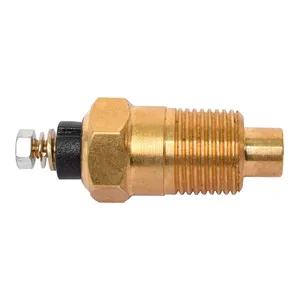
When your temperature gauge starts acting up—stuck on cold, jumping around, or giving you false readings—you're flying blind on one of your engine's most important measurements. This simple temperature sender tells your gauge what's happening with coolant temperature, and when it fails, you're flying blind on one of your engine's most critical measurements. Don't risk cooking your engine because you can't trust what the dash is telling you. Key Features Direct replacement for your factory sender—no modifications needed Calibrated to match your tractor's specific gauge, ensuring accurate readings across the entire temperature range 3/8 BSP threading fits directly into your cooling system housing Brass construction resists corrosion from coolant chemicals and additives Sensing element responds quickly to temperature changes, warning you of problems before damage occurs Built for Real Farm Work This sender is designed specifically for the hardworking Ford New Holland 60, 40, TM, and TV series tractors that put in long days pulling implements, running loaders, and powering PTO equipment. Whether you're baling hay in summer heat, doing tillage work in the spring, or feeding cattle through winter, accurate temperature monitoring is essential for protecting your engine investment. Made to Last The threaded body uses proper materials to prevent galvanic corrosion that plagued some aftermarket units. The electrical connection is designed to stay secure despite engine vibration, preventing the intermittent gauge problems that drive operators crazy. This sender handles the temperature extremes and vibration that come with serious farm work. Installation Notes Let the engine cool completely before starting, and you'll lose some coolant when removing the old sender. Clean the threads in the mounting boss thoroughly, then use thread sealant rated for coolant contact—but don't overdo it, as excess sealant inside can affect readings. After installation, check for leaks at operating temperature, and if the gauge still reads incorrectly, check the wire and gauge before blaming the new sender.
When your temperature gauge starts reading wrong or stops working altogether, you know something's not right under the hood. A failed water temperature sender is usually what's leaving you guessing about your engine's health, and that's not a gamble you want to take when there's work to do. This temperature sender gets your gauge back to giving you the real story about what's happening in your cooling system. What You're Getting 3/8 BSP thread that fits Ford cooling system specs perfectly Accurate temperature readings so your gauge tells you the truth Weather-resistant electrical connections that handle farm life Quality construction that sends consistent signals to your gauge Direct replacement that installs in your existing cooling system port Built for Real Farm Work This sender fits Ford's 40, 60, TM, TW, and TS series tractors - the workhorses that handle everything from loader work to heavy field operations. Whether you're running a 40 series utility tractor for hay work or operating a bigger TM series for serious cultivation, knowing your engine temperature helps prevent the overheating that turns a productive day into an expensive repair. Made to Last Farm equipment works harder than most people realize, especially in dusty conditions that can stress cooling systems and hot weather that pushes everything to the limit. This sender provides the accurate readings your gauge needs to warn you of problems before they become expensive engine failures. Quality construction handles the vibration and electrical interference that comes with farm work. Good to Know This uses 3/8 BSP threads - double-check your cooling system port size before ordering. Before installation, drain enough coolant to work safely and clean the sender port thoroughly. Apply thread sealant to prevent leaks, but don't overtighten since that can damage the housing. After installation, make sure your gauge reads properly and responds to temperature changes.

 United States