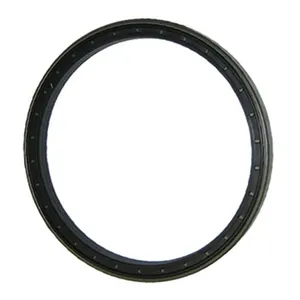


When you see gear oil stains on your wheels or notice a puddle under your tractor after it's been parked, your hub seals are telling you they need attention. This seal keeps that expensive gear oil where it belongs—lubricating your axle components instead of making a mess in your shop or field. A failing hub seal doesn't just waste oil, it lets dirt and moisture into your differential, which can turn a simple seal replacement into a major repair bill. What You're Getting Precise 165mm x 190mm dimensions for an exact factory fit NBR rubber construction that resists gear oil, hydraulic fluid, and temperature extremes Dual-height design that maintains contact even as components wear Heavy-duty construction built to handle side loads and road vibration Direct replacement that installs just like the original Built for Real Farm Work This seal fits the workhorses of many farm operations—Ford TL and TM series tractors, Massey Ferguson 300 series 4WD models, and New Holland T5000 and T6000 series machines. These are the tractors doing heavy loader work, long road transport, and demanding field operations where axle reliability isn't optional. Made to Last The NBR rubber stays flexible in winter cold and won't get brittle in summer heat, keeping a tight seal through all the temperature swings your tractor sees. It's formulated specifically to resist the gear oils and hydraulic fluids in modern tractors, so it won't swell, crack, or deteriorate like generic seals might. Good to Know Hub seal replacement usually means pulling the wheel and hub assembly, so it's typically a job for someone with the right tools and experience. While you're in there, it's smart to check your axle oil level and condition—if it's contaminated with water or metal particles, find out why before the new seal goes in. Clean the seal housing thoroughly and check the shaft for nicks that could cut the new seal.