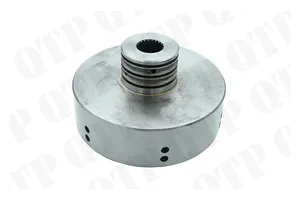


When your PTO starts acting up—slipping under load, jerking during engagement, or won't hold power to your implements—the problem often lies inside the clutch pack housing. This critical component houses the friction plates and clutch pack that transfers engine power to your PTO, and when it's worn or damaged, your tractor can't deliver the reliable power your baler, bush hog, or post hole digger needs to get the job done. What You're Getting Four-plate design provides smooth power transfer without the grabbing or slipping you'd get from worn components Precision-machined housing ensures proper clutch plate alignment and even pressure distribution Heavy-duty construction withstands the constant engagement and shock loads that come with farm work Direct replacement for original equipment—no modifications or adapters needed Quality materials resist the heat and hydraulic pressures that destroy inferior housings Built for Real Farm Work This housing fits a wide range of Ford New Holland tractors from compact utility models like the 3600 and 4600 through larger row-crop machines like the 7700 and 8000 series. Whether you're running hay equipment during cutting season, operating a rotary cutter on pastures, or powering a manure spreader during chore time, these are the tractors that handle the daily work on farms across the country. Made to Last Farm work is tough on PTO components, with constant cycling between engagement and disengagement plus the shock loads from hitting rocks or thick brush. This housing is built from quality materials that resist cracking under pressure and maintain proper internal clearances even after thousands of hours of operation. The precision machining ensures your clutch plates seat properly and wear evenly. Installation Notes Replacing a PTO clutch pack housing typically requires splitting the tractor, so plan this as a major repair job. While you've got everything apart, it's smart to inspect and likely replace the clutch plates and related seals—doing the complete job now saves splitting the tractor again later. Always follow proper safety procedures when working with heavy components and hydraulic systems.