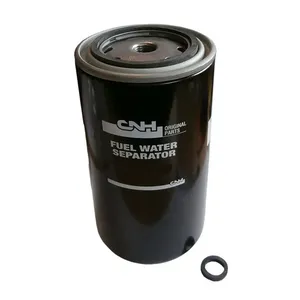
When you hear your Ford T Series tractor sputtering or notice it's not pulling like it used to, there's a good chance your fuel filter is calling it quits. A clogged filter is like trying to drink a milkshake through a coffee stirrer—it just can't get the flow your injection system needs. This filter catches all the gunk before it can wreak havoc on your expensive fuel pump and injectors. What You're Getting High-efficiency filtration that removes water, dirt, and microscopic particles from diesel fuel Proper micron rating that protects injection components without choking fuel flow Multi-stage design handles today's diesel challenges including biodiesel blends Durable housing built to handle fuel system pressures and temperature swings Direct replacement—no modifications needed for engine 710 and later models Built for Real Farm Work These mid-size Ford tractors are the workhorses of smaller to medium operations, pulling long days during planting and harvest. Whether you're disking through heavy soil, running a round baler through thick hay, or handling daily chores with a front-end loader, clean fuel delivery keeps your tractor running strong when you need it most. Made to Last Farm fuel doesn't always come from the cleanest sources, and this filter is engineered to handle what gets thrown at it. The quality filter media provides excellent flow while trapping harmful contaminants that can damage precision injection components. Clean fuel also means better fuel economy and longer engine life—important when fuel costs keep climbing. Installation Notes Change your fuel filter every 200-400 hours depending on fuel quality and operating conditions. When installing, prime the fuel system properly to avoid air pockets that'll cause hard starting. If you're seeing frequent filter plugging, check your fuel tank for contamination and consider adding a water separator to your setup.
Nothing kills a good day faster than a tractor that won't start or keeps losing power when you're trying to get work done. When your tractor starts running rough, losing power, or giving you hard starting problems, a clogged fuel filter is often the culprit - and it's a whole lot cheaper to replace the filter than rebuild your injection system. Clean fuel is the lifeblood of your Ford T Series tractor , and this filter keeps all the junk out of your fuel system where it belongs. What You're Getting Multi-stage filtration that handles today's diesel challenges including water, biodiesel blends, and microscopic particles that can damage your injection components Better fuel economy, reduced emissions, and longer engine life - important when fuel costs keep climbing Direct replacement that fits like the original without modifications or adapters Quality construction that stands up to the vibration and temperature swings of farm work Built for Real Farm Work This filter fits Ford T5000, T6000, and T7000 series tractors that handle everything from field cultivation and planting to hay operations and loader work . These versatile mid-size tractors are often the backbone of smaller to medium-sized operations, running long hours during busy seasons. Clean fuel delivery is critical whether you're pulling a disk through heavy soil, running a round baler through thick hay, or doing daily chores around the farm . Made to Last Farm equipment filters take a beating from temperature swings, vibration, and the constant dirt and dust that comes with agricultural work. This fuel filter is built to handle those conditions while maintaining consistent filtration performance throughout its service life. The filter media won't break down under pressure, and the housing seals properly to prevent air leaks that can cause starting problems. Installation Notes Change your fuel filter regularly according to your operator's manual - typically every 200-400 hours depending on fuel quality and operating conditions . When installing a new filter, prime the fuel system properly to avoid air pockets that can cause hard starting or rough running . If you notice water in your old filter, check your fuel tank and storage practices to prevent future contamination.