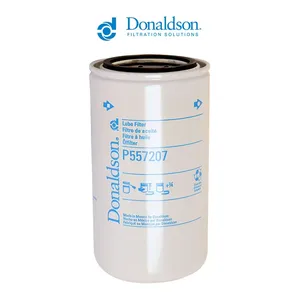
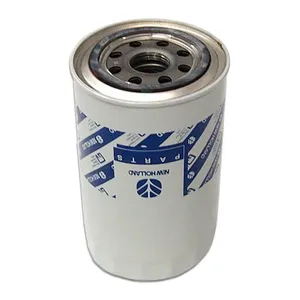
When your Ford New Holland starts getting sluggish with the loader or the three-point hitch isn't responding like it used to, there's a good chance your hydraulic filter is telling you something. Clean hydraulic fluid is what keeps those expensive pumps, valves, and cylinders happy—and a quality filter like this one stands between smooth operation and costly hydraulic system failures when you need your tractor most. What You're Getting Heavy-duty construction that handles the high pressures your hydraulic system dishes out daily Advanced filtration media that catches the particles and contaminants before they can wreck your expensive components Built-in bypass valve that keeps your system protected during cold starts or if the filter gets restricted Corrosion-resistant housing that stands up to the moisture and chemicals that come with farm life Built for Real Farm Work This filter fits a wide range of Ford New Holland tractors from the compact 1000 series utility tractors up through the big TW series workhorses. Whether you're running a 7000 series for field cultivation and hay work or pushing a TW through heavy tillage and large-scale farming operations, these tractors depend on clean hydraulic fluid for everything from power steering to three-point hitch control. Made to Last Farm hydraulic systems operate under brutal conditions—high pressure, constant cycling, dirt, and temperature swings that would kill lesser filters. This one's engineered with professional-grade specs that meet OEM standards, so you're getting the same quality that came on your tractor from the factory. Good to Know Always shut down the tractor and relieve hydraulic pressure before swapping filters—safety first. If your old filter is really contaminated or you notice metal particles, that's your hydraulic system telling you to check for component wear. When in doubt, replace your hydraulic fluid along with the filter to give your system a fresh start.
You know that feeling when your hydraulic system starts acting sluggish—loader gets slow, implements don't respond like they should, or you hear strange noises from the hydraulic pump. Nine times out of ten, it's dirty hydraulic fluid choking your system, and this spin-on hydraulic filter is your first line of defense against expensive hydraulic failures . Your Ford 8630 deserves better than contaminated oil circulating through its high-pressure hydraulic system. What You're Getting Advanced filtration media that captures particles down to microscopic levels before they can damage expensive pumps and valves Spin-on design means you can swap it out in minutes without special tools or making a mess Heavy-duty construction that handles the high pressures and temperature swings of real farm work Precision-engineered bypass valve protects your system during cold starts when oil is thick Direct replacement—no modifications or guesswork needed Built for Real Farm Work Your Ford 8630 is a serious workhorse, whether it's part of the TW Series handling heavy tillage and large-scale farming operations or the 30 Series powering through demanding field work . These tractors depend on clean hydraulic fluid for everything from three-point hitch operation and power steering to loader control and implement positioning . Whether you're pulling a big disc, running a loader all day, or operating hydraulic implements that cycle constantly, this filter keeps your system running smoothly. Made to Last The corrosion-resistant housing and seals are engineered to handle the punishment of agricultural environments , from dust and moisture to the vibration and shock loads that come with heavy field work. Clean hydraulic fluid not only maintains consistent pressure delivery but also reduces heat buildup, keeping your system happy during those long days when you can't afford downtime . Installation Notes This filter threads right on—just make sure to hand-tighten the gasket contact, then another 3/4 turn with a filter wrench. Always shut down the tractor and relieve hydraulic pressure before changing filters, and check your fluid level after installation . A pro tip: when you remove the old filter, take a look at what came out of it—excessive metal particles or strange debris can tell you if bigger problems are brewing in your hydraulic system.